

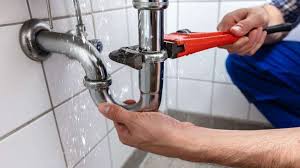
General plumbing is an essential aspect of modern living, providing the necessary infrastructure for clean water supply and effective waste disposal in homes and businesses alike. From the simple tasks of fixing a leaky faucet to the complex installation of comprehensive piping systems, plumbing plays a critical role in ensuring our comfort and health. Understanding the fundamentals of plumbing can empower homeowners and help them make informed decisions regarding maintenance, repairs, and upgrades.
In this article, we will explore the key components of general plumbing, including the various systems and tools involved, common issues, and expert tips for DIY repairs. Whether you are a seasoned homeowner looking to brush up on your plumbing knowledge or a novice eager to learn, this guide will serve as a valuable resource for navigating the often intricate world of plumbing. Join us as we delve into the indispensable workings of plumbing systems and discover how to keep them in optimal condition.
Key Components of Plumbing Systems
Plumbing systems are typically composed of three primary components: water supply, drainage, and venting systems. The water supply system is responsible for transporting clean water from the main source to faucets, appliances, and fixtures throughout the home. Meanwhile, the drainage system removes wastewater and sewage, directing it to treatment facilities or septic tanks. Venting systems play a crucial role in maintaining proper pressure within the pipes, allowing for efficient drainage and preventing the buildup of harmful gases. Understanding these components helps homeowners identify potential issues and recognize the significance of calling professionals for substantial repairs, such as those offered through General Plumbing Pottsville.
Common Plumbing Issues and DIY Solutions
Homeowners often encounter a range of plumbing issues, including clogged drains, dripping faucets, and running toilets. These common problems can lead to water wastage and increased utility bills if left unaddressed. Simple DIY solutions, such as using a plunger for clogs or replacing worn-out washers in faucets, can empower individuals to tackle minor repairs themselves. However, for more complex issues like pipe leaks or extensive blockages, consulting a professional plumber is advisable to prevent further damage. By learning basic plumbing repair techniques, homeowners can save money and gain a sense of satisfaction from maintaining their living space.
In conclusion, a solid understanding of general plumbing not only equips homeowners with the skills to manage minor repairs but also instills confidence in recognizing when professional assistance is necessary. By familiarizing themselves with the key components of plumbing systems and being aware of common issues that may arise, individuals can foster a proactive approach to home maintenance. Whether it’s performing routine checks on faucets and pipes or addressing potential blockages, staying informed allows for timely interventions that can avert larger, more costly problems down the line. Ultimately, embracing the fundamentals of plumbing enhances the quality of our living environments and reinforces the importance of clean water and responsible waste management in our daily lives.