

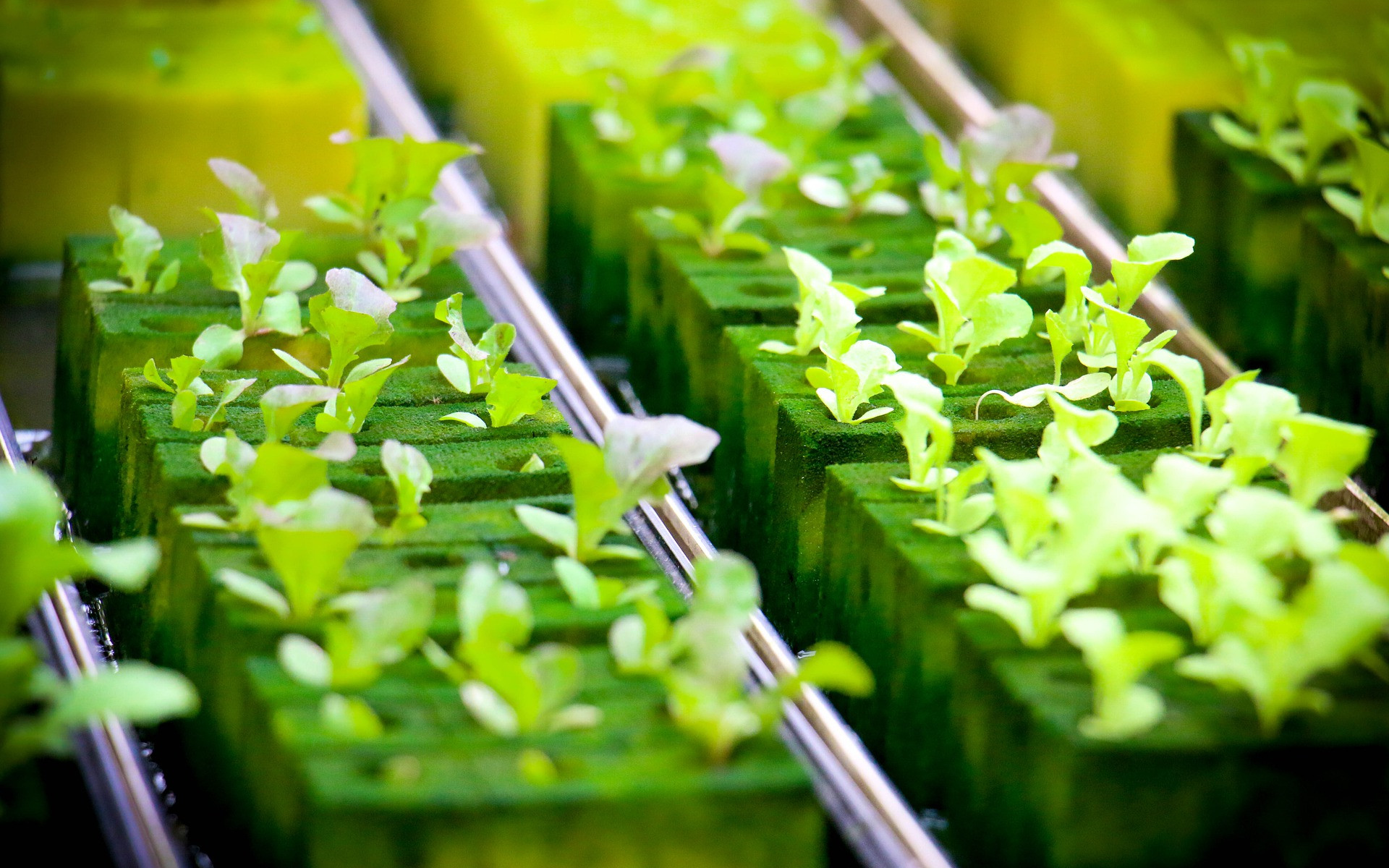
Hydroponics, the art of growing plants without soil, has undergone a remarkable evolution over the years, driven by a spirit of innovation and sustainability. As the global demand for efficient and sustainable farming practices grows, hydroponic innovations are at the forefront of reshaping agriculture. In this blog post, we’ll explore some of the groundbreaking hydroponic innovations that are paving the way for the future of sustainable food production. For more information regarding hydroponic plant one can visit our site https://hydroponicglobal.com.au/.
1. Vertical Farming:
Vertical farming is a game-changing hydroponic innovation that maximizes the use of vertical space. Instead of traditional horizontal rows, crops are stacked in layers using hydroponic systems. This approach significantly increases crop yield per square foot of space, making it ideal for urban farming and reducing the need for expansive farmland.
2. Aquaponics:
Combining hydroponics with aquaculture, aquaponics creates a closed-loop ecosystem where fish waste provides nutrients for plants, and the plants, in turn, filter the water for the fish. This sustainable innovation not only yields crops but also produces fish, promoting a holistic and resource-efficient approach to food production.
3. LED Grow Lights:
The development of energy-efficient LED grow lights is a significant innovation in indoor hydroponics. LEDs provide precise control over light spectra, optimizing plant growth and reducing energy consumption compared to traditional lighting systems. This innovation has revolutionized year-round cultivation in controlled environments.
4. Automated Systems:
Automation has become a cornerstone of hydroponic innovations. Automated nutrient dosing, pH control, and environmental monitoring systems allow growers to maintain optimal conditions with minimal manual intervention. This improves efficiency, reduces labor costs, and enhances crop consistency.
5. Closed-Loop Systems:
Closed-loop hydroponic systems, which recycle water and nutrients, minimize waste and resource consumption. These systems are environmentally friendly and cost-effective, making them a sustainable choice for growers aiming to reduce their ecological footprint.
6. Smart Agriculture:
The integration of smart technologies, including IoT sensors and data analytics, has transformed hydroponics into a data-driven endeavor. Growers can remotely monitor and control environmental conditions, nutrient levels, and plant health in real time, optimizing crop performance and resource efficiency.
7. Aeroponics:
Aeroponics is an innovative hydroponic method that suspends plant roots in an air environment while misting them with nutrient-rich water. This technology reduces water usage, accelerates plant growth, and enhances nutrient absorption, making it an efficient choice for resource-conscious growers.
8. Nutrient Film Technique (NFT):
NFT is a hydroponic system that utilizes a thin film of nutrient-rich water flowing over plant roots. This innovation maximizes oxygen availability to the roots while delivering essential nutrients, resulting in faster growth and higher yields. NFT is particularly suitable for growing leafy greens and herbs.
9. Advanced Nutrient Formulations:
Researchers and growers continue to innovate in nutrient formulations. Customized nutrient solutions tailored to specific plant species and growth stages optimize crop development. These innovations ensure that plants receive precisely what they need for healthy growth.
10. Sustainable Growing Media:
Hydroponics is moving towards sustainable growing media. Alternative materials like coconut coir, biodegradable substrates, and recycled waste products are being explored as eco-friendly alternatives to traditional inert media.
11. Vertical Integration:
Some hydroponic farms have adopted a vertically integrated approach, where they control every aspect of production from seed to harvest to distribution. This innovation enhances quality control, reduces transportation costs, and shortens the supply chain.
12. Urban Farming Initiatives:
Hydroponic innovations are driving urban farming initiatives. Rooftop gardens, container farms, and hydroponic systems integrated into urban landscapes are transforming cities into hubs of fresh, locally grown produce.
In Conclusion:
Hydroponic innovations are not just changing the way we grow food; they’re redefining the future of sustainable agriculture. These innovations address critical challenges such as resource scarcity, food security, and environmental sustainability.
As hydroponic technologies continue to advance, they empower growers to produce more food with fewer resources, reduce the carbon footprint of agriculture, and bring fresh, healthy produce to communities around the world. In doing so, hydroponic innovations are pioneering a future where sustainable, efficient, and year-round crop production is not just a possibility but a reality.
Whether it’s vertical farming, aquaponics, or smart agriculture, hydroponic innovations are reshaping the agricultural landscape, and the potential for future breakthroughs remains limitless.