

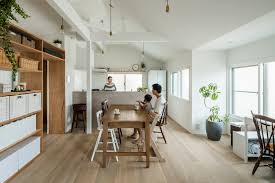
In today’s fast-paced world, the concept of living large is evolving. With urbanization and limited living spaces becoming the norm, more and more homeowners are finding themselves in need of innovative solutions to make the most out of their compact homes. The art of renovating small spaces has gained significant importance, and it’s not just about aesthetics; it’s about creating functional, comfortable, and efficient environments. This article delves into the strategies and ideas for renovating small spaces to achieve the perfect balance between comfort and functionality. Exploring various interior design techniques and creative solutions can serve as a valuable Source of Knowledge when renovating for small spaces, ultimately leading to maximized comfort and functionality.
Understanding the Challenge of Small Spaces
Small spaces come with their unique set of challenges. Limited square footage, cramped layouts, and awkward corners can make designing and renovating such spaces seem daunting. However, with the right approach and a dash of creativity, these challenges can be transformed into opportunities.
Embracing Minimalism
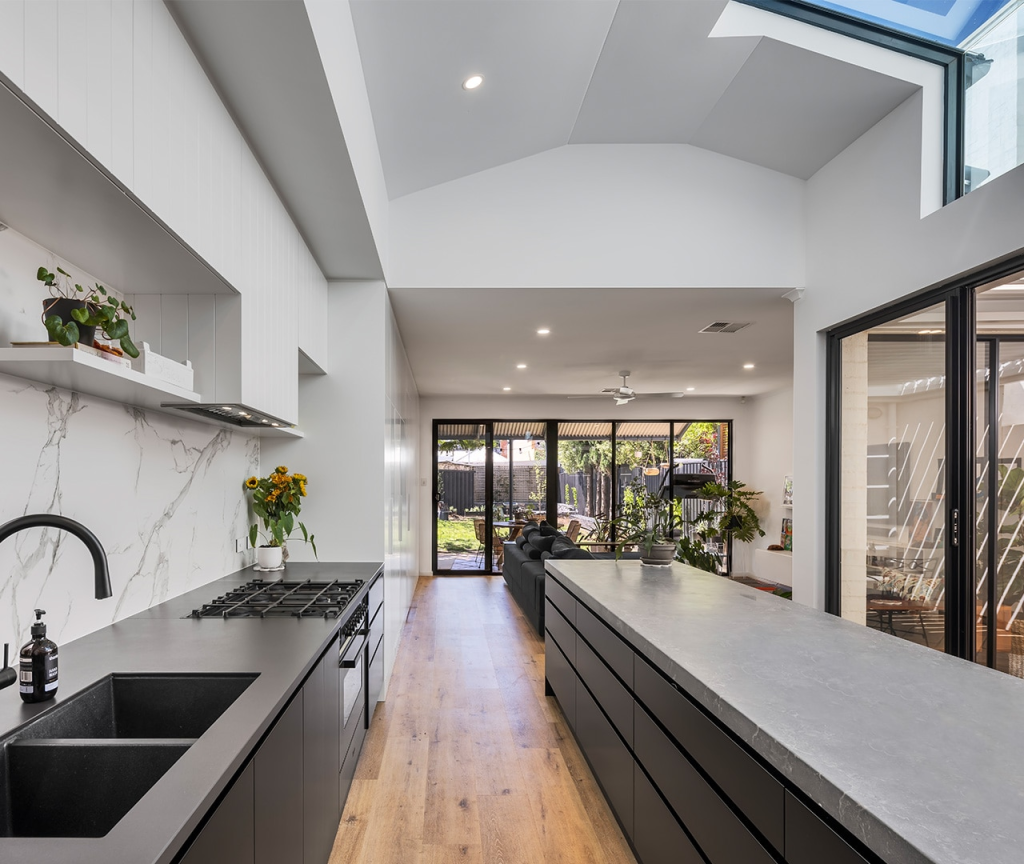
The foundation of renovating small spaces lies in embracing minimalism. Streamlining your belongings and opting for multi-functional furniture are key steps in creating an open and clutter-free environment. Choose furniture pieces that offer hidden storage compartments or can be folded when not in use. This not only saves space but also adds a touch of elegance to the decor.
Maximizing Natural Light
Ample natural light can significantly enhance the perception of space in a small room. During the renovation process, consider incorporating larger windows, glass doors, and strategically placing mirrors to reflect light. Light, neutral colors for walls and furniture can further amplify the brightness, making the space feel more expansive.
Designing for Functionality
While aesthetics play a role, the functionality of a small space should take precedence. Each element of the renovation should serve a purpose and contribute to the overall usability of the area.
Open-Concept Layouts
Breaking down physical barriers and opting for an open-concept layout can make a small space feel larger and more connected. Combining the living, dining, and kitchen areas can eliminate the feeling of confinement and allow for better interaction between different zones.
Modular and Multi-Functional Furniture
Investing in modular furniture pieces can be a game-changer for small spaces. For instance, a sofa that doubles as a bed or a dining table with extendable leaves can adapt to various needs. This versatility ensures that every square inch of the space is used effectively.
Navigating Storage Solutions
One of the most significant challenges in small spaces is finding adequate storage solutions without compromising on aesthetics. Smart storage ideas can revolutionize the way you utilize your space.
Vertical Shelving
Utilizing vertical space is a fundamental principle of renovating small areas. Installing tall shelves or cabinets not only provides ample storage but also draws the eye upward, creating an illusion of height.
Hidden Storage
Incorporating hidden storage compartments beneath seating, beds, or even within the staircase can help keep everyday clutter out of sight. These concealed storage options maintain the clean, open feel of the space.
The Power of Illusion
Clever design tricks can play visual tricks that make a small room appear more spacious than it actually is.
Striped Patterns
Incorporating vertical stripes on walls or using striped rugs can elongate the perceived height of a room. This simple yet effective technique can add a touch of sophistication while making the space feel airier.
Glass and Lucite Elements
The use of transparent materials like glass and lucite in furniture or room dividers can create an unobtrusive look. These materials allow light to pass through, giving the impression of a larger area.
Conclusion
Renovating for small spaces requires a blend of creativity, practicality, and attention to detail. By embracing minimalism, prioritizing functionality, and utilizing clever design tactics, you can transform even the tiniest of spaces into comfortable havens that cater to your every need. Remember, small does not have to mean cramped – with the right approach, your compact home can be a stylish and functional retreat.